Dyeing With Dandelions
“Dyeing with dandelions” could be interpreted in a few ways. It could refer to someone lying among dandelions as they pass away, finding solace or beauty in nature during their final moments. Metaphorically, it might symbolize finding peace or contentment in unexpected or simple things, even in the face of mortality. The dandelion, often considered a weed, can also represent resilience and the ability to thrive in adverse conditions, suggesting a serene acceptance of the natural cycle of life and death.
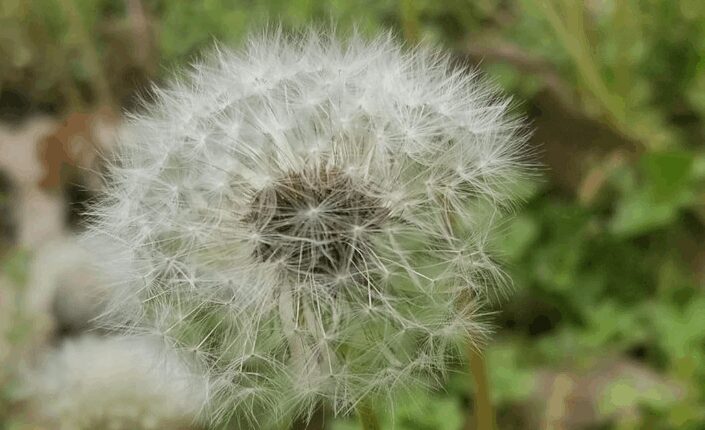
But in this post, I am talking about using dandelions (Taraxacum spp.) as a natural dye. Dandelions can produce a range of colors, depending on which part of the plant you use and how you extract the dye.
Here’s a basic method you could try:
-
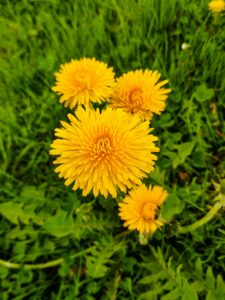
Gather fresh dandelion flowers.: Collect a good quantity of dandelion flowers. Choose flowers that are fully open and vibrant in color. Be sure to collect enough flowers to achieve your desired dye intensity. The more flowers you have, the more intense your dye will be.
-
Prepare the dye: Separate the petals from the rest of the flower. You can use just the petals or the whole flower, depending on the shade you want. Place them in a pot and cover them with water.
-
Extract the color: Bring the water to a gentle simmer and let the flowers steep for at least an hour, stirring occasionally. The longer you let it simmer, the stronger the dye will be.
-
Strain the Mixture: Once you’re satisfied with the color, strain out the plant material using a fine mesh strainer or cheesecloth. You should be left with liquid dye.
-
Dyeing: Now, you can use this dye to color various materials, like fabric or paper. Submerge the material you want to dye into the dye bath and let it soak for some time. The longer you leave it, the deeper the color will be.
-
Rinse and Dry: After dyeing, rinse the material in cold water to remove any excess dye. Then, let it air-dry.
Keep in mind that natural dyes may not be as colorfast or vibrant as synthetic ones, so expect some fading over time, especially with washing and exposure to sunlight. Experimentation is key The color intensity and hue can vary depending on factors such as the concentration of the dye bath, the type of fabric being dyed, and the length of time the fabric is immersed in the dye. You will need to experiment to achieve the desired color. It’s a fun and eco-friendly way to explore the world of natural dyes!
Check out this list of 19 plants that are used as natural dye.
Experiment and have fun with it.